
When you spend a bit of time in Blox Fruits, you quickly notice how much your fruit choice affects everything you do. A single fruit can completely change the way you level up, handle PvP fights, farm bosses, run raids, travel between islands, or even approach trading. Many players realize this after trying a new fruit and noticing that leveling, fighting, or farming feels completely different than before.
This page compiles the full Blox Fruit’s fruit list in one place, allowing you to make informed decisions before committing to a fruit. Maybe you just got a fruit from the Gacha, noticed one in the Dealer’s stock, or received a trade offer and want to know if it’s actually worth keeping. Some players also come here after seeing a fruit in action and wondering how good it really is.
All Blox Fruits List
The fruit list below is made for quick browsing. You can click on any fruit name to open its full fruit page, where you will find its type, rarity, price, value, best uses, weak points, grinding performance, PvP role, raid use, and practical tips.

Kitsune
MYTHICAL
West Dragon
MYTHICAL
East Dragon
MYTHICAL
Dough
MYTHICAL
Spirit
MYTHICAL
Venom
MYTHICAL
Control
MYTHICAL
Buddha
LEGENDARY
T-Rex
MYTHICAL
Mammoth
MYTHICAL
Sound
LEGENDARY
Lightning
LEGENDARY
Blizzard
LEGENDARY
Phoenix
LEGENDARY
Portal
LEGENDARY
Gravity
MYTHICAL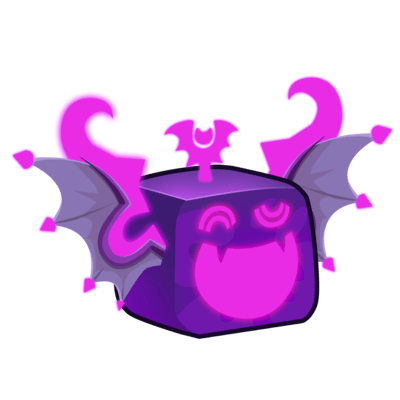
Shadow
MYTHICAL
Pain
LEGENDARY
Quake
LEGENDARY
Magma
RARE
Light
RARE
Ice
UNCOMMON
Flame
UNCOMMON
Dark
UNCOMMON
Sand
UNCOMMON
Ghost
RARE
Diamond
UNCOMMON
Rubber
RARE
Love
LEGENDARY
Spider
LEGENDARY
Gas
MYTHICAL
Tiger
MYTHICAL
Yeti
MYTHICAL
Eagle
UNCOMMON
Smoke
COMMON
Spike
COMMON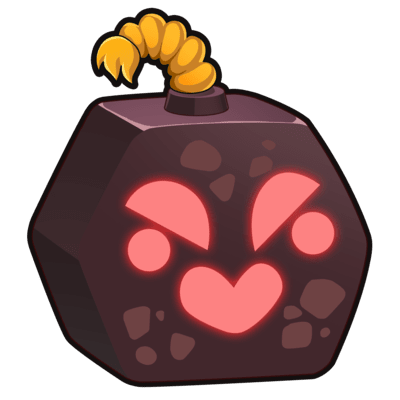
Bomb
COMMON
Spin
COMMON
Spring
COMMON
Rocket
COMMON
Blade
COMMON
Creation
LEGENDARYA good fruit list should not only show names. It should make the next step clear. If you are a beginner, you probably want to know which fruit makes leveling easier. If you are already in the Second Sea, you may care more about raids, awakening, trading, and stronger NPC farming. If you spend time in PvP, then damage alone is not enough, because movement, stuns, hitboxes, and timing matter a lot more.
How This Blox Fruits List Can Help You
Most players do not check fruits only out of curiosity, because they are usually trying to make an important decision about whether a fruit is worth eating, buying, storing, trading, or using for their current goals in the game. They usually come here because they got a fruit from Gacha, saw a fruit in stock, received a trade offer, or watched another player use a fruit in PvP, and started wondering if it is actually worth using.
That’s why each fruit page should be read based on your current stage. A fruit that works nicely in Sea 1 may not stay strong for Sea 3 farming. A fruit that looks powerful in PvP may slow you down during normal quests because the attacks need more aim, more timing, or more space.
You can use this page when you want to compare fruits for these common situations:
- Grinding levels, farming NPCs, and clearing quests faster
- Boss farming, raids, awakening, and sea event runs
- PvP fights, bounty hunting, stuns, movement, and hitbox control
- Trading value, demand, stock checking, and permanent fruit planning
Blox Fruits Types Explained
Every fruit falls into a type, and while that label will not tell you everything you need to know about a fruit, it does give you a useful starting point for understanding how it is likely to perform during normal gameplay.
When I first started comparing fruits, I made the mistake of assuming that fruits from the same type would feel almost identical, but after spending time with different fruits, it became obvious that the type is more of a general guide than a strict rule. It helps you understand the overall style of a fruit, but the real strengths and weaknesses only become clear once you look at the individual fruit itself.
| Fruit Type | What It Usually Means | Best For | What To Watch |
|---|---|---|---|
| Natural | These fruits usually depend on direct attacks, control effects, or special moves | PvP, mixed builds, trading interest | Some fruits need better aim and practice |
| Elemental | These fruits use element style powers, and many of them are useful for farming | Grinding, travel, early progress, raids | Some attacks miss when enemies move too much |
| Beast | These fruits usually focus on transformation, size, pressure, or special forms | PvP pressure, farming, boss fights | Some forms feel slower or harder to control |
The type alone should never be your final reason to eat a fruit. Light is useful for early travel and grinding, Magma is strong for damage, Buddha is famous for farming and raids, and Portal is valued for movement and PvP utility. Each fruit earns its place for a different reason.
Blox Fruits Rarity Guide
Rarity gives you a rough idea of price and spawn rate. Still, rarity does not always mean the fruit is better for your account right now. Some cheaper fruits work better for early grinding than expensive fruits that need more skill or mastery.
| Rarity | What It Usually Means | Player Expectation |
| Common | Easier to find and cheaper to buy | Good for early testing or replacing weak fruit |
| Uncommon | Still affordable for many players | Useful when you need better farming tools |
| Rare | Mid range fruits with stronger use cases | Good for players moving beyond basic grinding |
| Legendary | Higher price and stronger demand | Useful for trading, raids, PvP, or special roles |
| Mythical | Expensive and harder to get | Strong value, higher demand, or advanced gameplay use |
A Mythical fruit looks exciting, but eating it at the wrong time can waste progress. Sometimes, a player with Buddha, Light, Ice, or Magma farms faster than a player using a rare fruit with flashy moves, because the farming loop needs safety, repeated damage, and easy enemy control.
What Makes a Fruit Good in Blox Fruits
A fruit becomes useful when it solves the problem you are facing in the game. When enemies are grouped together, a fruit with wide area damage clears quests faster. When bosses keep moving, a fruit with steady damage and a safe range becomes more useful than a fruit that only hits hard once.
For grinding, players usually care about attack area, energy use, mastery level, travel speed, and how safely the fruit clears NPCs. For PvP, the game changes a lot because other players do not stand still like NPCs. You need movement, stuns, range, timing, and attacks that connect before the enemy escapes.
Trading has a different logic. A fruit may not be your best farming fruit, but it can still carry high demand because players want it for PvP, collections, permanent fruit deals, or higher value trades. That is why fruit pages should look at gameplay strength and trading demand separately.
Best Fruits Depend on Your Stage
In Sea 1, most players need a fruit that makes quests easier and travel faster. Light is popular here because movement saves time between islands, and its attacks work well during early farming. Ice and Flame also make early fights easier when used properly.
In Sea 2, the game starts feeling more serious because raids, awakening, trading, and stronger farming spots enter the picture. Buddha becomes a major pick here because it helps players farm large groups of enemies efficiently and makes many raids easier to complete. Magma also becomes useful because of its strong damage output against bosses and other challenging content.
In Sea 3, players start caring more about high damage, movement control, PvP pressure, and fruit value. Dough, Portal, Kitsune, Dragon, Leopard, Venom, Spirit, Control, Gas, Yeti, Tiger, and other fruits having high values are more visible in trading and PvP discussions, but each one still needs a different play style.
How To Pick The Right Fruit From This List
The best fruit for you depends on what you are doing right now. A new player should not judge fruits the same way a bounty hunter does. A trader should not judge fruits only by damage, because demand and value move differently with farming speed.
Before clicking a fruit page, think about your real need first. If you are stuck while leveling, read fruits from a grinding point of view. If you lose fights because enemies escape your attacks, look at movement and stun details. If you are planning a trade, check value, demand, and how players usually treat that fruit in offers.
Final Thoughts
This Blox Fruits fruits list is made to be your main starting point before you check any individual fruit. Instead of guessing from stock, chat, or random trade offers, you can open each fruit page and understand where that fruit actually works.
A fruit can be strong in one part of the game and weak in another. That is why the full fruit pages will go deeper into grinding, PvP, raids, boss fights, trading, awakening, movement, hitboxes, mastery, and Sea 1 to Sea 3 use.
FAQs
How many Blox Fruits are there?
There are 41 available Blox Fruits in the game right now. The list includes Natural, Elemental, and Beast fruits.
What are the main fruit types in Blox Fruits?
The main fruit types are Natural, Elemental, and Beast. Each type works differently, so you should check the fruit page before eating or trading it.
What is the best fruit for grinding?
Buddha is one of the most trusted grinding fruits because it makes farming at short distances easier. Light, Magma, Ice, and Flame are also useful depending on your level and sea.
What is the best fruit for PvP?
PvP depends on skill, movement, stuns, and timing. Dough, Portal, Kitsune, Dragon, Leopard, Venom, and Ice are commonly discussed because they perform well in fights when the player knows how to use them.
Should I eat a rare fruit as soon as I get it?
You should not eat a fruit only because it is rare. Check its fruit page first, because some fruits are better for trading, while others are better for grinding, raids, or PvP.
What does fruit rarity mean?
Fruit rarity gives a rough idea of price and spawn chance. It does not always decide how useful a fruit will be for your current stage.
Are permanent fruits different from normal fruits?
Permanent fruits stay available after purchase and can be switched later. Physical fruits are one-time only unless stored or traded before eating.
